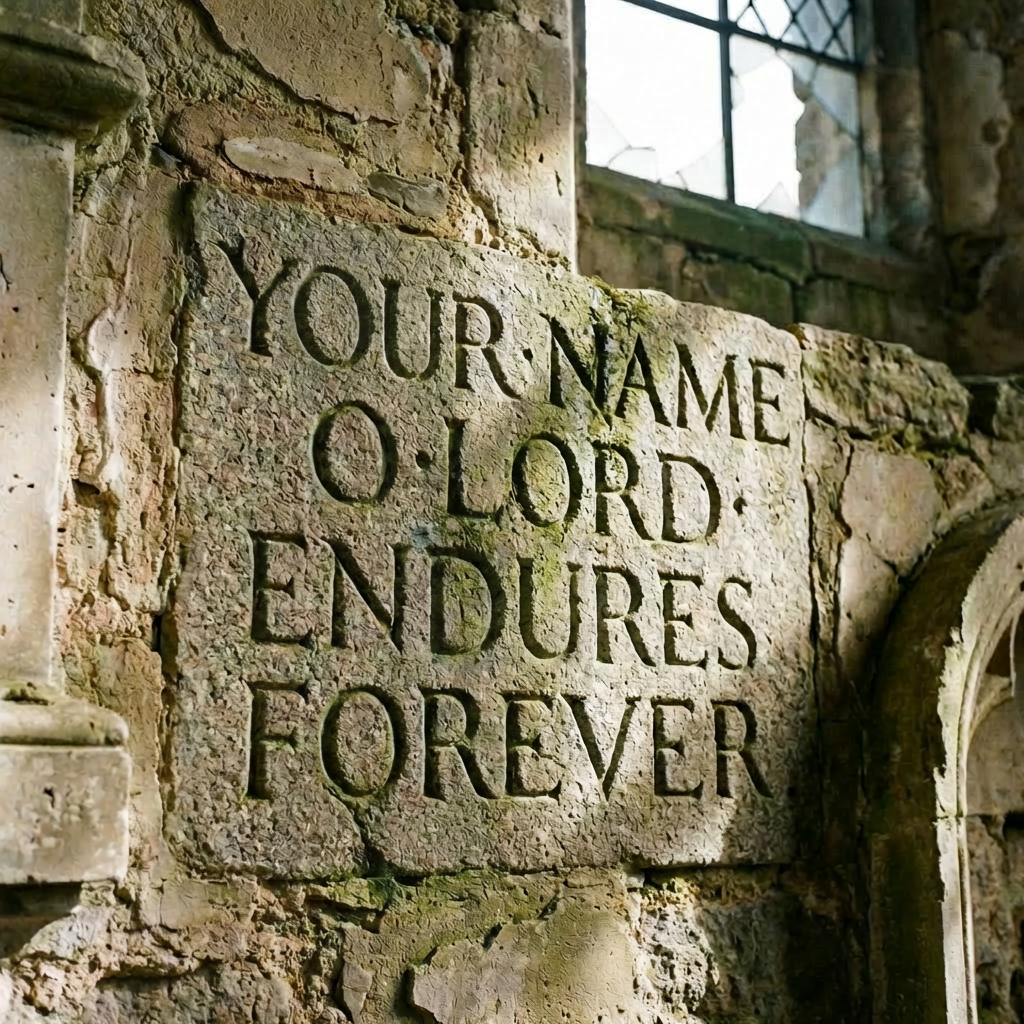
Psalm 135:19-21 NJKV
Bless the Lord, O house of Israel!
Bless the Lord, O house of Aaron!
Bless the Lord, O house of Levi!
You who fear the Lord, bless the Lord!
Blessed be the Lord out of Zion,
Who dwells in Jerusalem!
Praise the Lord!
The Role of Praise

MY NOTES
“Bless the Lord, O house of Israel! Bless the Lord, O house of Aaron! Bless the Lord, O house of Levi! You who fear the Lord, bless the Lord! Blessed be the Lord out of Zion, Who dwells in Jerusalem! Praise the Lord!” — Psalm 135:19-21 (NKJV)
Have you ever been to a wedding or a big event where the DJ starts calling different groups to the dance floor? “All the bridesmaids! Now the groom’s family! Now everyone who traveled from out of state!” That is exactly what is happening here at the grand finale of Psalm 135. The Psalmist is doing a “roll call” of worship, making sure no one stays in their seat.
The Different “Houses” The Psalmist breaks the congregation down into specific groups, each with their own unique “thank you” list:
The House of Israel: This is the whole family. They were the ones redeemed from bondage and settled in the land. They bless God for their history.
The House of Aaron: These were the leaders, the priests who got to stand in the inner courts. They were the “front-row” witnesses to God’s presence. They bless God for their access.
The House of Levi: These were the workers—the ones who kept the Tabernacle running, sang the songs, and hauled the gear. They bless God for their service.
You who Fear the Lord: This is the “everyone else” category—the proselytes and believers from every nation. It’s an open invitation that includes us. We bless God for His grace.
Blessing vs. Praising There’s a subtle but beautiful distinction here between blessing and praising. Think of it this way:
- Blessing is personal. We bless God for His benefits—what He has done specifically for us (the “thank you for my house, my health, and my salvation” prayers).
- Praising is objective. We praise God for His excellencies—who He is in Himself (His holiness, His eternity, His power).
God doesn’t demand our praise because He’s insecure or needs a “likes” count on social media. He calls us to it because looking at His “glorious and incomprehensible majesty” actually fixes our perspective. It’s hard to stay stressed about a “giant” problem when you are staring at an infinite God.
He Dwells Among Us. The Psalm ends with a reminder that this massive, world-creating God chooses to “dwell in Jerusalem.” He isn’t a distant CEO; He’s a neighbor. He makes His home in the heart of His church. Whether you feel like a “Prince” (Israel), a “Leader” (Aaron), or just a “Worker” (Levi), the invitation is the same: Hallelujah! Praise the Lord!
Key Takeaways
- No Exceptions: Worship is a corporate responsibility. No matter your role or background, you have a reason to “bless the Lord.”
- Identify Your Why: Like the different “houses,” your specific season of life gives you a unique perspective for praise.
- The Heart Benefit: Praising God for His character (not just His gifts) expands your heart and diminishes your fears.
- Proximity is Key: We don’t have to travel to Zion to find Him; He has made His dwelling place among His people.
Cross References (NKJV)
Psalm 115:12–13
“The Lord has been mindful of us; He will bless us; He will bless the house of Israel; He will bless the house of Aaron. He will bless those who fear the Lord, both small and great.”
Psalm 134:1
“Behold, bless the Lord, all you servants of the Lord, who by night stand in the house of the Lord!”
Revelation 19:5
“Then a voice came from the throne, saying, ‘Praise our God, all you His servants and those who fear Him, both small and great!’”
A Closing Prayer
Abba, I join the house of Israel, the house of Aaron, and the house of Levi today in saying ‘Thank You.’ No matter what my part is in the Church, help me to see the ‘prestige’ of being part of Your family. I bless You for what You’ve done for me, and I praise You for who You are—the infinite, unchanging LORD of all. Thank You for choosing to dwell with us. Let my life be a continuous ‘Hallelujah.’ I ask You for this in Jesus’ name, Amen.
Things to Chew on:
- Which “House” are you in? Are you in a season of leadership (Aaron), service (Levi), or are you just beginning to “fear the Lord” and learn His ways? How does that specific role change what you are thankful for today?
- The Dwelling Place: How does it change your day to know that the Lord “dwells” with you rather than watching you from a great distance?
- The “Amen” Moment: Looking back over the last few verses we’ve studied, what is the one “wondrous work” of God that makes you want to shout “Praise the Lord” the loudest?
Proverb for Today
I love those who love me, And those who seek me diligently will find me. Riches and honor are with me, Enduring riches and righteousness. My fruit is better than gold, yes, than fine gold, And my revenue than choice silver. I traverse the way of righteousness, In the midst of the paths of justice, That I may cause those who love me to inherit wealth, That I may fill their treasuries. Proverbs 8:17-21 NKJV
Daily Scripture
He has made the earth by His power; He has established the world by His wisdom, And stretched out the heaven by His understanding. When He utters His voice— There is a multitude of waters in the heavens: “He causes the vapors to ascend from the ends of the earth; He makes lightnings for the rain; He brings the wind out of His treasuries.” Jeremiah 51:15-16 NKJV
Bill
Please enter your email and click subscribe to be notified whenever I submit a new post.

Summary of Commentaries:
The Psalm concludes with a universal call to worship. The houses of Israel, Aaron, and Levi are summoned alongside Gentile believers to bless the Lord. The commentaries below distinguish between blessing God for His benefits and praising Him for His excellencies. From Zion, where He uniquely dwells among His people, Jehovah receives the united adoration of leaders and laypeople alike. Hallelujah honors His majesty, celebrates His redemption, and invites all to delight in Him.
Commentaries:
Charles Spurgeon
“Bless the LORD, O house of Israel.” All of you, in all your tribes, praise the one Jehovah. Each tribe, from Reuben to Benjamin, has its own special cause for blessing the Lord, and the nation as a whole has substantial reasons for pouring out benedictions upon his name. Those whom God has named “the house of Israel,” a family of prevailing princes, ought to show their loyalty by thankfully bowing before their sovereign Lord.
“Bless the LORD, O house of Aaron.” These were elected to high office and permitted to draw very near to the divine presence; therefore, they, beyond all others, were bound to bless the Lord. Those who are favored to be leaders in the church should be foremost in adoration. In God’s house, the house of Aaron should feel bound to speak well of his name before all the house of Israel.
“Bless the LORD, O house of Levi.” These helped the priests in other things, let them aid them in this also. The house of Israel comprehends all the chosen seed; then we come down to the smaller but more central ring of the house of Aaron, and now we widen out to the whole tribe of Levi. Let reverence and adoration spread from man to man until the whole lump of humanity shall be leavened. The house of Levi had choice reasons for blessing God: read the Levite story and see. Remember that the whole of the Levites were set apart for holy service, and supported by what the tribes allotted to them; therefore, they were in honor bound above all others to worship Jehovah with cheerfulness.
______________________________________________________
Enduring Word
Bless the LORD, O house of Israel: In a series of three statements, this psalm closes with a call to the descendants of Israel, Aaron, and Levi to honor God and give Him the recognition He deserves. (Guzik)
You who fear the LORD, bless the LORD: This may be a call to Gentiles who honored God to also join with Israel, the priests, and the Levites in praising and honoring Yahweh. (Guzik)
i. “It may be that this verse is intended to bring in God-fearing men who were not included under Israel, Aaron, and Levi. They were Gentile proselytes, and this verse opens the door and bids them enter.” (Spurgeon)
Blessed be the LORD out of Zion: Jerusalem was (and is) a special place to God, but His praise, His goodness, His greatness extend out of Zion. He is not a local deity; His power and greatness are not limited to Zion. (Guzik)
Who dwells in Jerusalem: “This clause may be added either to distinguish the true God from the gods which were worshipped in other places and countries, or as a reason why they should bless God, because he had blessed and honoured that place with his gracious and glorious presence.” (Poole)
Praise the LORD: It is fitting for such a soaring psalm to end as it began – to declare God’s praise, and to call upon others to do so also. (Guzik)
______________________________________________________
Albert Barnes
Bless the Lord, O house of Israel … – This passage, also, is evidently an imitation of the passage in Psalms 115:9-13. The form in Psalms 115:0, however, is rather an exhortation to trust in the Lord, and an assurance that God would bless the classes spoken of, than a call on them to bless the Lord. Still, the same classes of persons are referred to: the house of Israel, the house of Aaron, and those who feared the Lord. The passage needs no further illustration than what is found in the notes at Psalms 115:9-13. It is an earnest call on all classes of the people to bless and praise the Lord. It is language expressive of overflowing joy; the utterance of a heart full of exalted conceptions of the majesty, the glory, and the mercy of God; of a heart which feels to the utmost the fitness of praise, and desires that all classes of people – priests and people – that all created things should unite in the praise of Yahweh. Who, in reading the psalm, can fail to catch the feelings of the psalmist, and to say Amen and amen!
______________________________________________________
John Gill
Bless the Lord, O house of Israel,…. Who are chosen by the Lord to be a special people to him above all others; redeemed from Egyptian bondage; through a variety of surprising providences brought into and settled in the land of Canaan; distinguished by various blessings, favoured with the word, worship, and ordinances of God, and not left to worship idols of gold and silver, as other nations; and therefore had great reason to bless the Lord: as also the spiritual Israel, or the household of God and of faith, the family of Christ; and that because they are of his family, because of the love of God to them, his choice of them, his covenant with them, their redemption by Christ, their effectual calling; or for being made Israelites indeed, and the provisions made for them in the house of God for their spiritual welfare.
ye that fear the Lord, bless the Lord; these are distinct from the Israelites, priests, and Levites, and design the proselytes among them of other nations that truly feared God, as Jarchi notes; and all such persons, whoever and wherever they are, have reason to bless the Lord for the fear of him they have, which is not from nature, but from grace; and for the layouts shown them, the blessings bestowed upon them, the good things laid up for them, and the guard that is about them, which the Scriptures abundantly declare, and experience confirms.
______________________________________________________
Matthew Henry
To stir up the people of God to true devotion in the worship of the true God, v. 19-21. The more deplorable the condition of the Gentile nations that worship idols, the more are we bound to thank God that we know better. Therefore,
1. Let us set ourselves about the acts of devotion, and employ ourselves in them: Bless the Lord, and again and again, bless the Lord. In the parallel place (Ps. 115:9-11), by way of inference from the impotency of idols, the duty thus pressed upon us is to trust in the Lord; here to bless him; by putting our trust in God, we give glory to him, and those that depend upon God shall not want matter of thanksgiving to him. All persons that knew God are here called to praise him-the house of Israel (the nation in general), the house of Aaron and the house of Levi (the Lord’s ministers that attended in his sanctuary), and all others that feared the Lord, though they were not of the house of Israel.
2. Let God have the glory of all: Blessed be the Lord. The tribute of praise arises out of Zion. All God’s works do praise him, but his saints bless him; and they need not go far to pay their tribute, for he dwells in Jerusalem, in his church, which they are members of, so that he is always nigh unto them to receive their homage. The condescensions of his grace, in dwelling with men upon the earth, call for our grateful and thankful returns, and our repeated Hallelujahs.
______________________________________________________
Miscellaneous Comments
“Bless,” “Praise.” We are not only to bless God, but to praise him: “All thy works shall praise thee, O LORD; and thy saints shall bless thee.” Blessing relateth to his benefits, praise to his excellencies. We bless him for what he is to us, we praise him for what he is in himself. Now, whether we bless him, or praise him, it is still to increase our love to him, and delight in him; for God is not affected with the flattery of empty praises; yet this is an especial duty, which is of use to you, as all other duties are. It doth you good to consider him as an infinite and eternal Being, and of glorious and incomprehensible majesty. It is pleasant and profitable to us.
—Thomas Manton.

- Exploring the Beauty of Psalms: Insights and Commentaries
- Monthly Breakdown of Our Blog Content
- Psalms Commentary: Faith and Inspiration
Leave a Reply